Meet the Meteorologist
What's your favorite weather phenomena?
What got you interested in the weather?
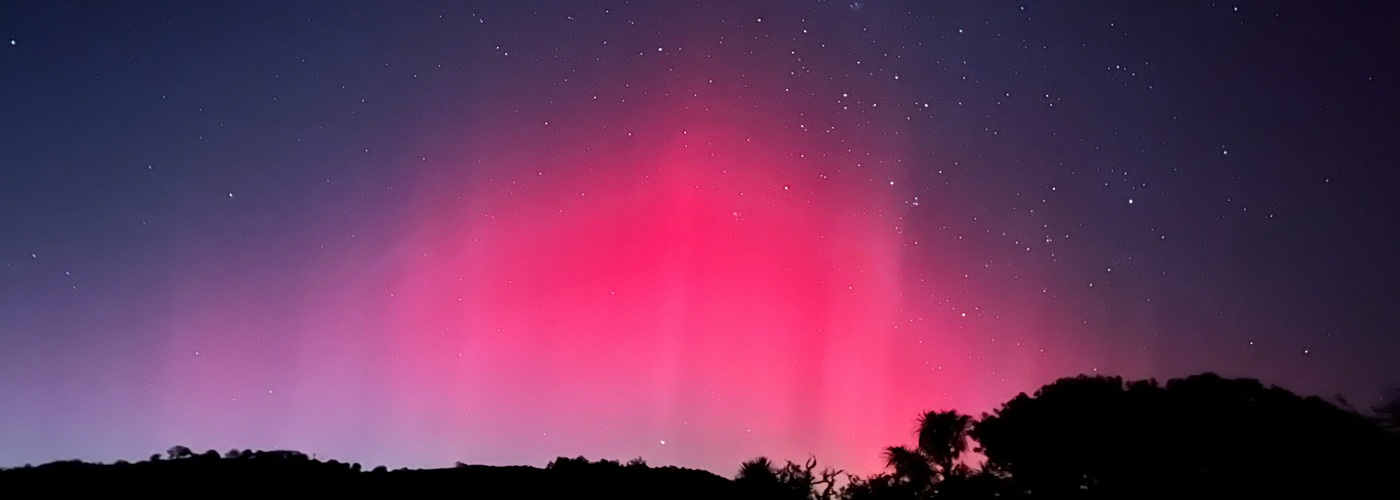

Solar eruptions can create beautiful auroras on Earth, but beyond our planet’s magnetic shield they can be dangerous. Solar proton events, or SPEs, send charged particles racing through space and can threaten astronauts and spacecraft. A new study from the Okinawa Institute of Science and Technology shows how researchers can identify some of these ancient events by combining historical records with ultra-precise carbon-14 measurements from buried trees in Japan.
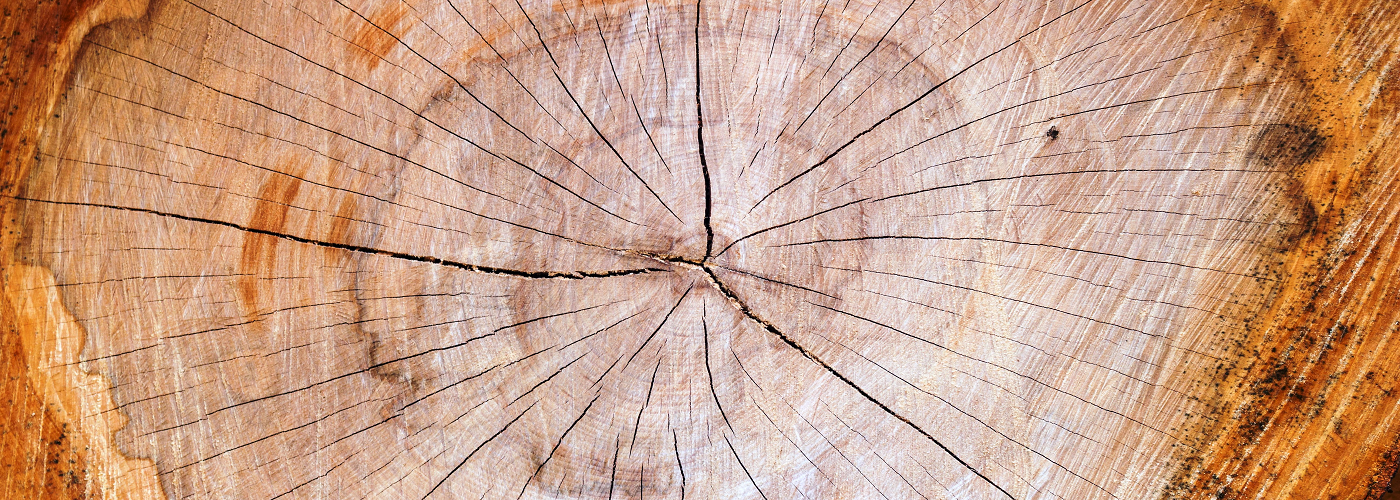
The team focused on buried asunaro wood from northern Japan and found carbon-14 spikes that point to a solar proton event likely occurring between the winter of 1200 and the spring of 1201. To narrow the date, they paired the carbon data with tree-ring analysis and medieval accounts of unusual red lights in the sky over Japan and China. Together, the evidence suggests the Sun was especially active during that period.
What makes the method important is that it can reveal smaller, “sub-extreme” SPEs, not just the rare giant ones. These events are harder to detect, but they still matter for space weather risk. The researchers explain that solar particles can create carbon-14 when they enter the atmosphere, and that isotope becomes locked into trees, preserving a record of solar activity.
The study also suggests the solar cycle in that era was shorter than today’s 11-year pattern, lasting only seven to eight years. The newly identified event appears to have happened near the peak of one such cycle.
By linking historical literature, tree chemistry, and climate records, the researchers are building a clearer picture of past solar storms, which could help future Moon missions and deepen understanding of dangerous space weather.
 Paul Trambley
 Derek Heit
 Jennifer Wojcicki
 Laura Lockwood
 Ray Miller